Appliance Leak & Overflow Cleanup in Westerville, OH
A failed supply hose or a dishwasher that overflows overnight can put more water into a Westerville kitchen or laundry room than most people expect.
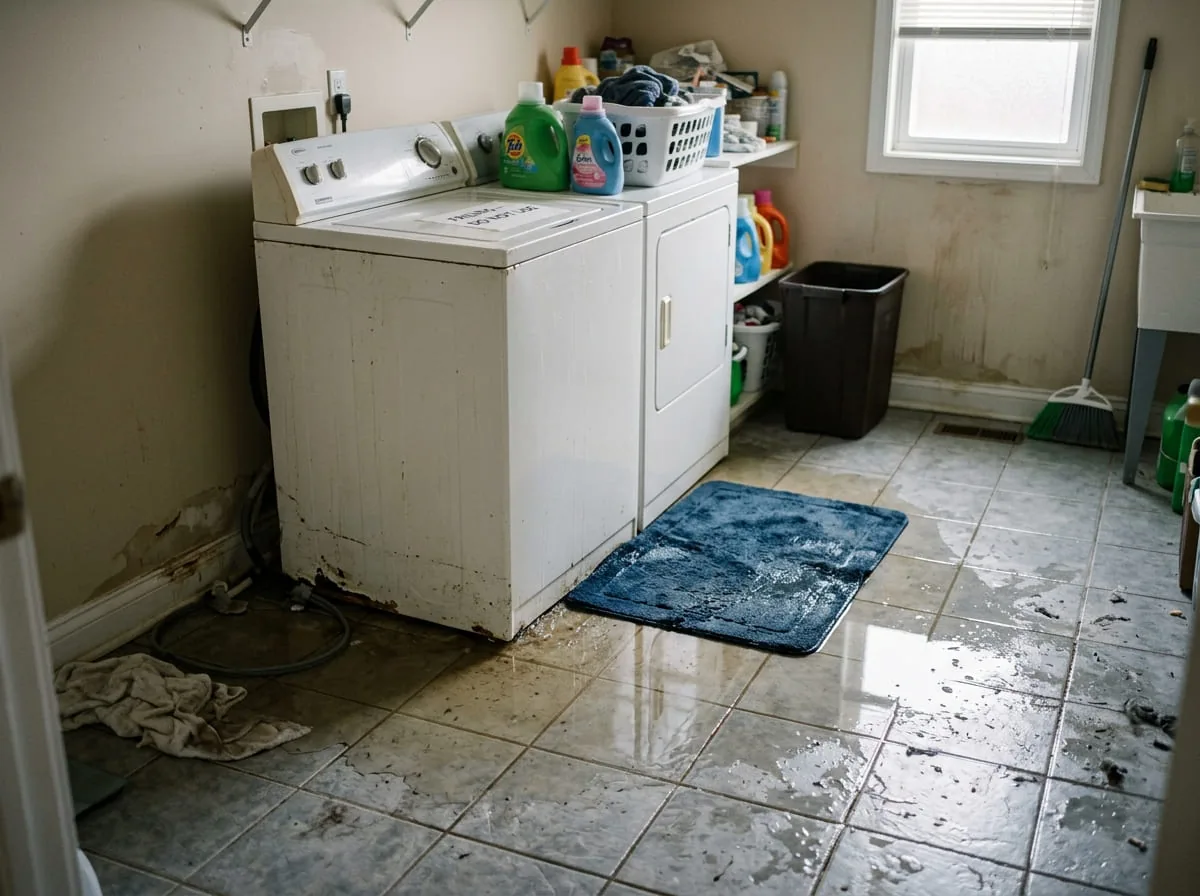
Appliance failures are one of the most common sources of water damage calls in this market, regardless of a home's age or foundation type. A supply line connector on a washing machine, a worn dishwasher door seal, or a water heater reaching the end of its service life can all release a significant volume of water in a short amount of time, often in rooms with flooring, cabinetry, or a finished basement below.
This page covers cleanup after appliance-related water damage in Westerville-area homes, from a contained kitchen leak to water that's traveled down into a basement ceiling below.
Appliances Most Likely to Cause a Water Loss
A handful of household appliances account for most of the appliance-related water damage calls in this market.
- Washing machine supply hoses and drain lines
- Dishwasher door seals and supply connections
- Water heaters, especially units nearing or past their expected lifespan
- Refrigerator and ice maker water lines
- HVAC condensate lines and drain pans
Why Location Matters for Appliance Leaks
A washing machine or water heater located on an upper floor or main level in a home with a finished basement below can send water down through the ceiling before it's ever noticed at the source. This is a common pattern in the two-story construction typical of newer Orange Township and Genoa Township subdivisions, where laundry rooms are often placed on upper floors for convenience.
Basement-located water heaters and laundry appliances, more typical in older Uptown Westerville homes, put the leak closer to the foundation and any finished basement space, which changes both how quickly water spreads and what's at risk of absorbing it.
Cleanup and Drying After an Appliance Failure
Cleanup starts with stopping the source, whether that means shutting off a supply line or unplugging and draining a failed appliance, followed by extracting any standing water. Cabinetry, subfloor, and any ceiling below the affected room get checked for moisture, since appliance leaks often travel further than the visible puddle suggests.
Frequently Asked Questions
How do I know if my water heater is at risk of failing?
Rust-colored water, a rumbling or popping sound during heating, or a water heater older than roughly 10 to 12 years are all signs worth paying attention to. If you notice pooling water or dampness around the base of the unit, it's worth having it inspected before a slow leak becomes a full failure.
Can I shut off an overflowing washing machine or dishwasher myself?
Yes, in most cases. Unplugging the appliance and shutting off its water supply valve, if accessible, is a reasonable and safe step for most homeowners. Avoid stepping into any standing water if there's a risk of contact with an electrical outlet.
How can I tell if an appliance leak has damaged the ceiling below?
Discoloration, sagging, or a soft spot on the ceiling directly below the appliance are the clearest signs. Even without visible damage, it's worth having the area checked with a moisture meter if the leak was significant, since water can travel along framing before it becomes visible.
Appliance Leak Getting Out of Hand?
A restoration crew can extract the water and check for damage in rooms below before it spreads further.
Call Now for Water Damage Help