
Smoke Odor Removal & Deodorization
Masking smoke odor isn't the same as removing it. Get connected with deodorization professionals who treat the source, not just the smell.
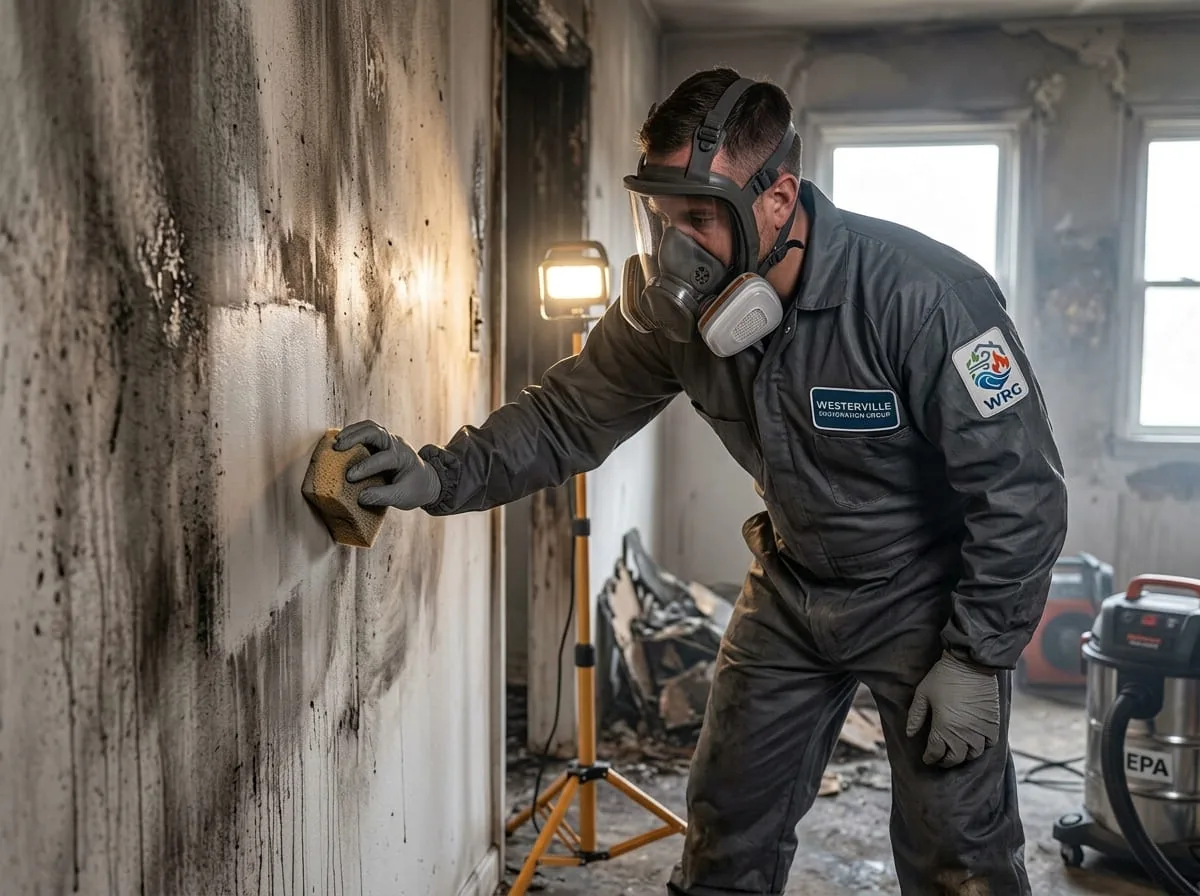
Smoke odor lingers because smoke particles work their way into porous materials — drywall, insulation, carpet padding, upholstery — far deeper than a surface wipe-down or a scented candle can reach. Real deodorization has to address that source, not just cover it up.
Requests from Westerville, Gahanna, Blendon Township and nearby Franklin and Delaware County communities are routed to professionals equipped with the tools and techniques odor removal actually requires, including in homes where the visible fire damage was minor but the smell has spread through the whole house.
Why the Smell Sticks Around Longer Than the Damage Looks
Smoke odor molecules embed themselves into porous surfaces on contact, and Central Ohio's humid summers don't help — warm, moist air tends to keep those odor compounds active in fabric and drywall longer than a dry climate would, which is part of why odor that seemed to fade in cooler weather can return once summer humidity sets in.
HVAC systems complicate things further. If ductwork carried smoke through the house, it can keep reintroducing odor every time the system runs until it's been professionally cleaned or treated.
How Professional Deodorization Differs From Air Fresheners
Rather than masking odor, professional deodorization is aimed at neutralizing or physically removing the compounds causing it — through methods such as thermal fogging, ozone treatment, or hydroxyl generators, chosen based on the materials involved and whether the space is occupied during treatment.
Heavily affected porous materials — certain carpets, insulation, or soft furnishings — sometimes can't be fully deodorized and may need to be replaced rather than treated, a call a professional can make after assessing the extent of smoke penetration.
Frequently Asked Questions
Will opening windows and using fans get rid of smoke odor?
Ventilation can help with lingering surface smell but generally won't remove odor that has absorbed into drywall, insulation or fabric. Persistent odor after a few days of ventilation usually means the source needs professional treatment, not just airflow.
Is ozone treatment safe to be in the house for?
Ozone treatment is typically done while the space is unoccupied and ventilated afterward before anyone re-enters, since ozone at the concentrations used for odor treatment isn't safe to breathe. A professional will advise on timing for your specific property.
Can carpet and upholstery ever be saved instead of replaced?
Sometimes, depending on how deeply smoke penetrated the material and how long it sat before treatment began. A professional assessment can determine whether cleaning and deodorizing is realistic or whether replacement will give a better result.
How long does professional deodorization typically take?
It varies with the size of the property and the severity of smoke penetration — a single room can sometimes be treated in a day, while whole-house odor following a significant fire can take longer, especially if HVAC cleaning and multiple treatment passes are needed.
Stop Masking the Smell — Get It Treated
Lingering smoke odor is a sign the source hasn't actually been removed yet.
Speak With a Restoration Team