
Post-Remediation Verification / Clearance Testing
Before a remediated area gets closed back up with new drywall or flooring, clearance testing confirms the work actually addressed the problem.
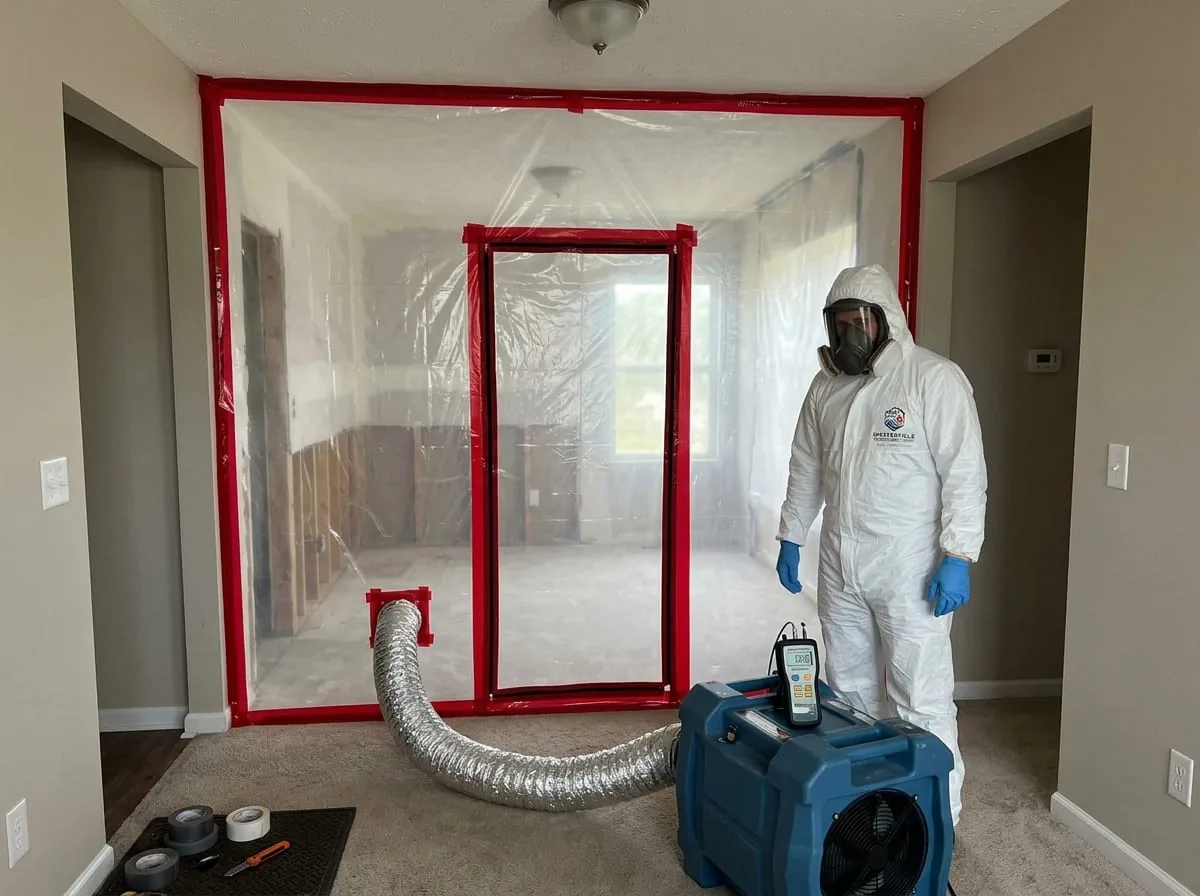
Remediation isn't the last step on every job — for larger scopes, insurance-related work, or situations where a property owner wants independent confirmation, a post-remediation verification step checks that the affected area was properly cleaned and dried before anything gets rebuilt over it.
This page covers what clearance testing typically involves for a Westerville-area home or business, and when it's worth requesting.
Why Clearance Testing Matters After Remediation
Once new drywall or flooring goes back over a remediated area, it's far harder and more expensive to address anything that was missed. A clearance step catches that before the rebuild starts, and it also creates documentation that can matter later — for an insurance claim, a home sale disclosure, or simply your own record of the work that was done.
What Post-Remediation Verification Typically Involves
Verification generally starts with a visual inspection of the completed remediation work, followed by moisture readings to confirm materials have actually reached a safe, dry level rather than just appearing dry. Depending on the original scope of the problem, air or surface sampling may also be collected and compared against the pre-remediation findings or an outdoor baseline sample to confirm levels have returned to a normal range.
Independent Verification vs. a Final Walkthrough
Some property owners request an independent third-party inspector for this step, separate from whoever performed the remediation, particularly on larger or insurance-related jobs. On smaller jobs, a final walkthrough and moisture check by the remediation contractor itself is often sufficient. Which approach makes sense depends on the size of the job and how much documentation you need — either option is a normal and common part of a thorough remediation process.
Frequently Asked Questions
Is clearance testing required after every mold remediation job?
Not always. Smaller, straightforward jobs may not need a formal testing step, while larger scopes, insurance claims, or situations where walls are about to be closed back up generally benefit from it.
Who performs post-remediation verification?
It can be handled either by the remediation company as a final walkthrough and moisture check, or by an independent third-party inspector brought in separately. Larger or insurance-related jobs more often call for the independent option.
What happens if clearance testing shows the area isn't fully clear?
That usually means additional cleaning or drying is needed before the space is closed back up — it's a normal part of a thorough process rather than a sign something went badly wrong, and it's far better to catch it now than after new drywall goes up.
Do I need clearance testing before selling my home?
It can provide useful documentation for buyers or disclosure conversations, but specific requirements vary by transaction, so it's worth checking with a real estate or legal professional about what your particular sale needs.
Finishing Up a Mold Remediation Job?
Get connected with a specialist who can verify the work before you close everything back up.
Get Emergency Water Removal