Burst Pipe Water Damage in Westerville, OH
Central Ohio's hard winter freeze-thaw cycles are one of the most reliable causes of burst pipes in this region, and the water damage often shows up before the cold snap even breaks.
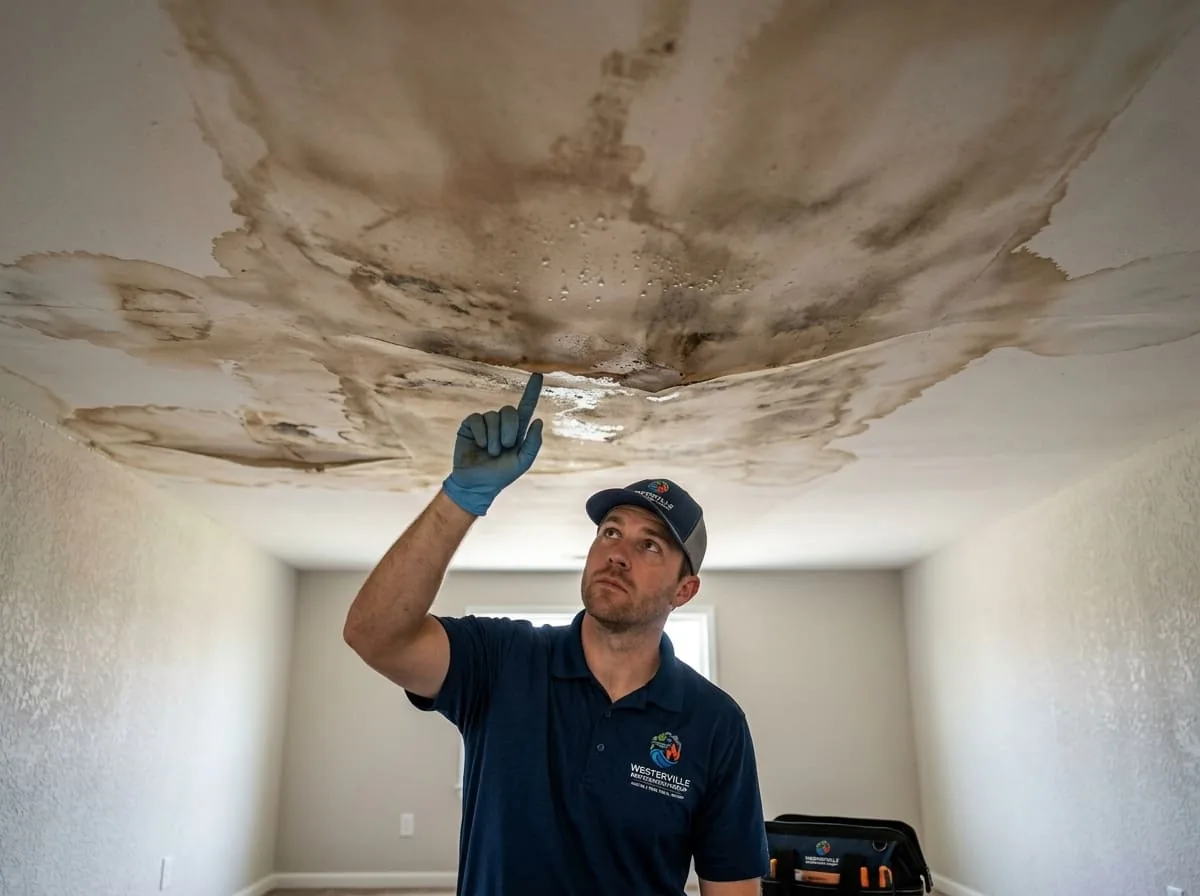
Winter in Westerville brings repeated freeze-thaw cycles, and that cycling is a well-documented cause of burst and frozen supply-line failures, particularly in exposed or poorly insulated piping. A pipe that freezes doesn't always split immediately; the damage frequently shows up hours later, once the ice plug thaws and pressure forces water out through a crack that formed while the line was frozen.
This page covers what happens when a burst pipe releases water into a Westerville-area home or business, and how restoration professionals dispatched through this site approach the cleanup once the source is under control.
Why Central Ohio Winters Are Hard on Plumbing
Westerville's humid continental climate brings genuinely cold winters with repeated freeze-thaw swings rather than one long steady freeze, and that back-and-forth is part of what stresses supply lines over a season. Pipes running through unheated crawl spaces, exterior walls, or uninsulated basement rim joists are most exposed, and older homes near Uptown Westerville with original or aging plumbing carry additional risk simply due to the age of the material.
- Exposed pipes in unheated basements, crawl spaces, or garages
- Supply lines run through exterior walls with limited insulation
- Older galvanized steel plumbing common in pre-1990s homes
- A sudden hard freeze following a period of milder weather
- Homes left unheated or with thermostats set low during travel
What to Do When a Pipe Bursts
If it's safe to reach, shutting off the water at the main valve is the single most useful thing a homeowner can do before help arrives, since it stops the flow rather than just addressing what's already on the floor. From there, moving away from the immediate area, especially near any outlets or light fixtures the water has reached, is safer than attempting further troubleshooting alone.
Once a restoration crew arrives, the process typically starts with extracting standing water, checking how far moisture has traveled into walls and subfloor, and setting drying equipment before assessing what materials, if any, need to be replaced rather than dried.
Basements Take the Brunt of Many Burst-Pipe Losses
Because poured concrete basements are the norm across Westerville, Genoa Township, and Orange Township, a burst pipe on an upper floor often ends up draining down through multiple levels before it's discovered, meaning the basement can absorb more water than the room where the failure actually happened. Checking finished basement space, even when the leak was upstairs, is a standard part of a thorough burst-pipe assessment in this market.
Frequently Asked Questions
How do I know if a pipe has frozen before it bursts?
Reduced or no water flow from a faucet during cold weather is the most common early sign of a frozen line. If you notice this, it's worth keeping the faucet slightly open to relieve pressure and, if accessible, gently warming the exposed section of pipe, but avoid using an open flame or any method that risks creating a separate hazard.
Should I try to thaw a frozen pipe myself?
A cautious approach, like a hair dryer on a low setting or warm towels on an accessible section of pipe, is reasonable for many homeowners, but avoid any method involving open flame, and stop immediately if you can't tell whether the pipe has already cracked. If you're unsure or the pipe is hidden behind a wall, it's safer to shut off the water and call for help.
Can burst pipe damage be prevented in future cold snaps?
Keeping interior temperatures above roughly 55 degrees, sealing drafts near exposed plumbing, and letting faucets drip slightly during extreme cold are common preventive steps for homes in freeze-thaw climates like Central Ohio's. None of these guarantee a pipe won't fail, but they reduce the odds meaningfully.
Pipe Burst During a Cold Snap?
Shutting off the water is step one, getting a restoration crew started on drying is step two.
Call Now for Water Damage Help