
Can Wet Drywall Be Saved?
What actually determines whether wet drywall is salvageable.
Last updated 2026-09
Drywall is made of gypsum sandwiched between two layers of paper, and that paper is exactly the kind of material water travels through easily. Whether a wet section can be dried in place or needs to be cut out and replaced comes down to three things: what kind of water it was, how long it stayed wet, and how much of the wall assembly - insulation, framing, baseboards - got wet along with it.
Clean water, caught early, is often salvageable
Drywall exposed to a clean water source - a supply line leak or an appliance overflow - and dried quickly with professional equipment can often be saved. The gypsum core itself isn't especially fragile; the risk is the paper facing losing its bond or starting to break down, and that mostly happens with prolonged exposure, not a brief soaking that's addressed within a day or so.
Gray and black water are a different situation
Drywall that has absorbed water contaminated with bacteria, waste, or chemical residue - a sewage backup, a dishwasher discharge sitting for days, or floodwater - generally cannot be cleaned and dried in place. Porous materials like drywall and insulation hold contaminants deep in their structure in a way that surface cleaning can't reach, so the standard approach is removal, not drying, once contamination is a factor.
Signs drywall is past saving
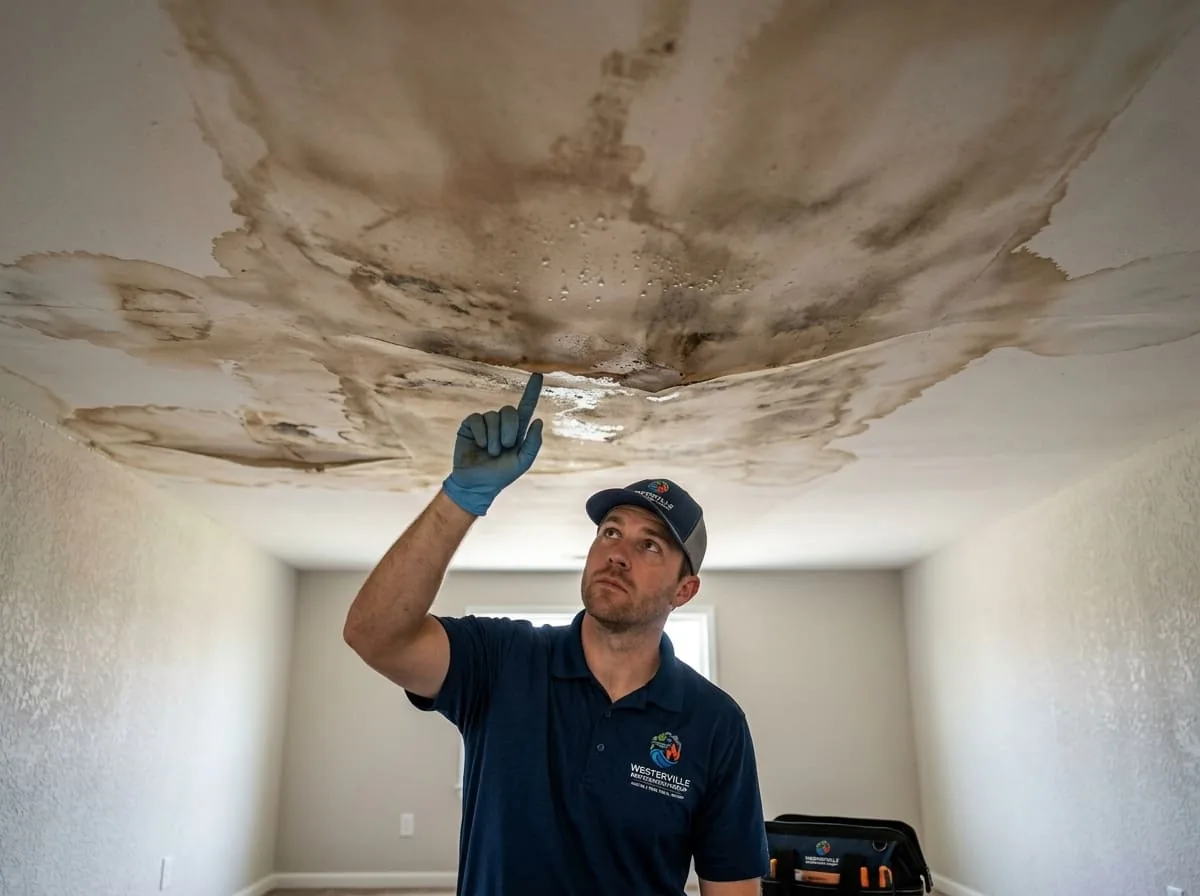
A few visible signs point toward replacement rather than drying, regardless of the water source:
- Sagging, bulging, or a soft, spongy feel when pressed gently
- Visible mold growth, or a musty smell that persists after the area dries
- Crumbling gypsum or paper that separates and peels away from the surface
- Water stains that keep reappearing after painting, suggesting moisture is still present behind the surface
- Any exposure to gray or black water, regardless of how the drywall currently looks
What's behind the wall matters as much as the drywall itself
Insulation soaked behind drywall rarely dries effectively in place and is usually removed even when the drywall in front of it is saved. The same goes for wet wall studs - wood framing that stayed wet for an extended period needs to be checked and dried before new drywall goes back up, or the same moisture problem can resurface inside a freshly repaired wall.
Frequently Asked Questions
How can I tell if drywall is ruined without cutting into it?
A moisture meter is the reliable way to check - it reads moisture content inside the material rather than just on the surface. Visually, sagging, bulging, discoloration that spreads, and any smell that lingers after the area seems dry are all signs it likely needs to be evaluated by a professional rather than repainted over.
Does painted or textured drywall behave differently when wet?
Paint slows water absorption slightly but doesn't stop it, and textured or heavily painted drywall can actually trap moisture against the gypsum core longer than bare drywall, since the coating limits how quickly it can dry from the surface.
Can I just cut out the visibly wet section and leave the rest?
Water often wicks upward and sideways well beyond the visibly stained area, so cutting only the obviously wet part can leave contaminated or moisture-laden material in place. Professional assessment with a moisture meter typically defines the actual cut line, which is often larger than what's visible.
Related services
Not Sure If Your Drywall Can Be Saved?
Work performed by licensed and insured restoration professionals includes the moisture testing needed to make that call correctly.
Call Now for Water Damage Help