Hardwood & Flooring Water Damage in Westerville, OH
Hardwood floors start cupping within hours of water exposure, which makes flooring one of the most time-sensitive parts of any water damage cleanup.
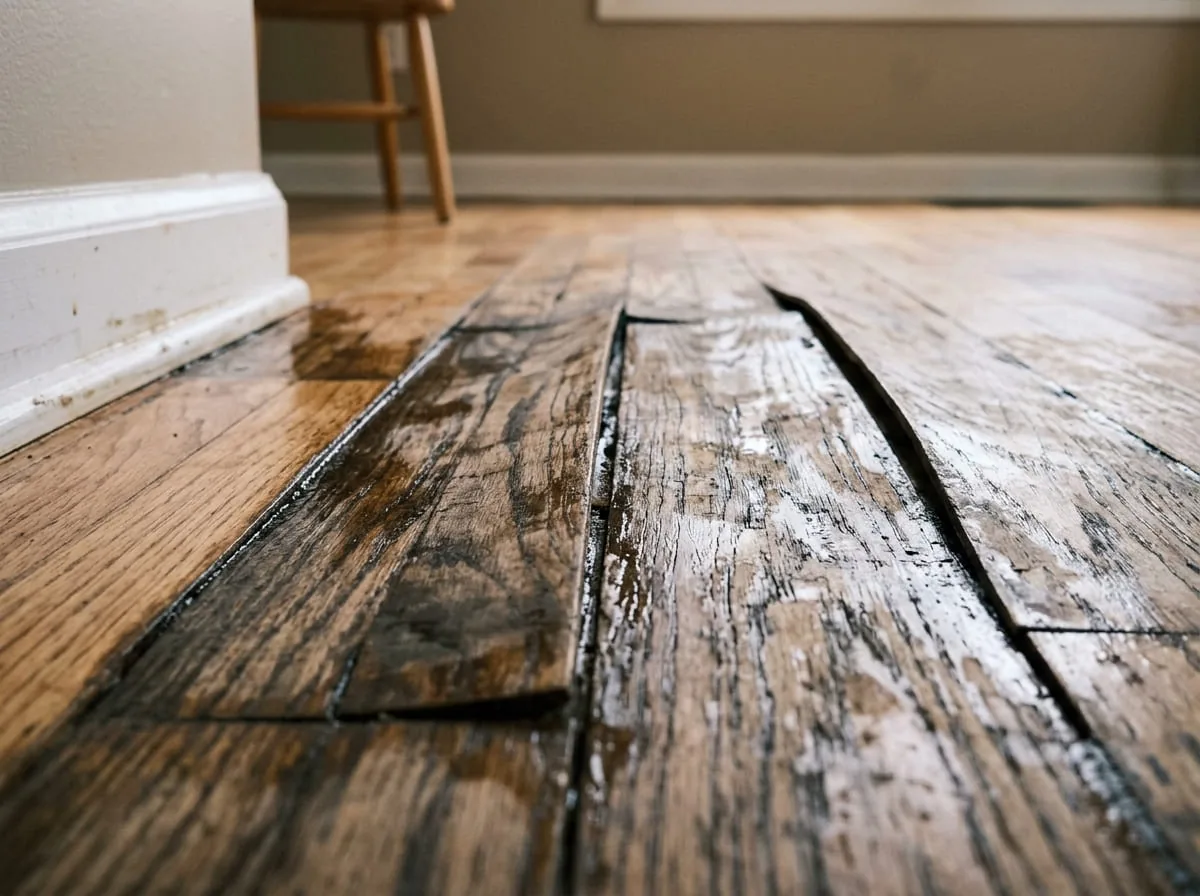
Flooring reacts to water faster and more visibly than almost any other material in a Westerville home. Hardwood begins absorbing moisture and swelling at the seams within hours, laminate can delaminate and warp permanently, and even tile and vinyl flooring can trap water underneath in ways that aren't obvious until the subfloor is already compromised.
This page covers how restoration professionals approach flooring after a water loss, and what determines whether flooring gets dried and saved or ultimately needs to be replaced.
How Different Flooring Types Respond to Water
Flooring material has a big impact on both the urgency of the response and the likely outcome.
- Solid hardwood: prone to cupping and swelling, sometimes salvageable if caught early
- Engineered hardwood: more moisture-resistant than solid wood but still at risk at the seams
- Laminate: often delaminates when exposed to standing water and typically needs replacement
- Tile and vinyl: surface layer often survives, but water trapped underneath can damage subfloor
- Carpet and pad: pad usually needs replacement even when carpet itself can be cleaned and dried
Why Speed Determines the Outcome
Hardwood flooring that's extracted and dried within the first day or so of a water loss has a meaningfully better chance of being saved than flooring left wet for several days. Once cupping progresses too far or subfloor beneath the flooring has absorbed significant moisture, refinishing or replacement becomes the more realistic outcome regardless of how much drying equipment gets applied afterward.
This is part of why extraction speed matters as much for flooring as it does for structural drying generally, particularly during Central Ohio's humid summer months when ambient moisture works against natural drying.
Basement Flooring Faces Extra Challenges
Flooring in finished basements, common across Westerville's basement-heavy housing stock, is often installed closer to a concrete slab with less ventilation than main-floor flooring, which can slow drying and increase the odds that padding or subfloor needs to be removed even if the visible flooring survives.
Frequently Asked Questions
Can cupped hardwood flooring go back to normal after drying?
Sometimes, especially if drying starts quickly and the cupping isn't severe. Wood that's had time to fully re-acclimate to normal humidity can flatten out somewhat on its own, though some boards may need sanding or refinishing afterward, and severely warped or buckled boards typically need replacement.
How long can wet flooring sit before it needs to be replaced?
It varies by material, but hardwood and laminate generally have a narrower window than tile or vinyl. As a general rule, the sooner standing water is extracted and drying begins, the better the odds of saving the flooring rather than replacing it.
Is carpet padding always thrown away after a water loss?
In most cases involving anything more than a very minor, quickly addressed spill, yes. Padding absorbs and holds moisture much more readily than carpet fiber itself, which makes it difficult to dry thoroughly and a common candidate for replacement even when the carpet on top is salvageable.
Related services
Nearby service areas
Wet Flooring Won't Wait
Getting a crew out quickly gives hardwood and laminate the best possible chance of being dried instead of replaced.
Get Emergency Water Removal