
Mold Inspection
A musty smell, past water damage, or visible discoloration are all reasons to get a professional mold inspection before deciding what to do next.
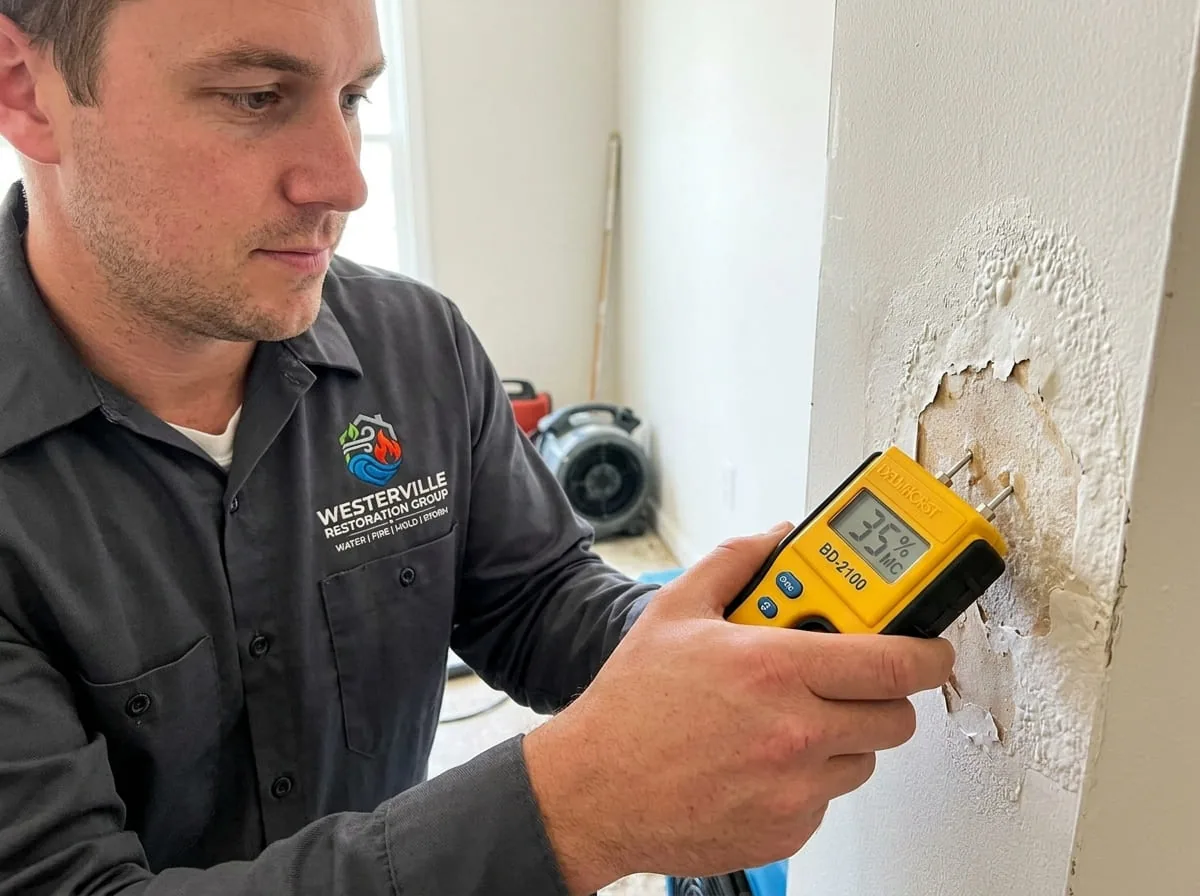
A mold inspection is often the step between noticing something's off and knowing what you're actually dealing with. It's useful when growth is suspected but not clearly visible, when a home has a history of water damage, or when you just want a professional read on a musty smell that won't go away.
This page covers what a mold inspection in a Westerville-area home or building typically involves, and how it differs from testing and from remediation itself.
Signs It's Time for a Mold Inspection
A few common triggers bring homeowners and property managers to request an inspection.
- A persistent musty or earthy odor without an obvious visible source
- Visible discoloration or staining on walls, ceilings, or flooring
- A history of water damage, a past leak, or a basement that's flooded before
- Condensation that regularly forms on windows or basement walls
- Occupants noticing symptoms that seem to improve when they're away from the building
What a Mold Inspection Typically Covers
An inspection generally includes a visual check of the areas most prone to moisture — basements, attics, bathrooms, and around windows or exterior walls — along with moisture meter readings on materials that look or feel suspect. Thermal imaging is sometimes used to spot hidden moisture behind walls or under flooring without opening anything up.
Based on what's found, the inspector will typically recommend either moving straight to remediation, if growth is confirmed and visible, or collecting air or surface samples if the extent or presence of mold isn't yet clear.
Inspection vs. Testing vs. Remediation
These three terms get used interchangeably, but they're different steps. Inspection is the assessment; testing and sampling (covered on its own page) involves collecting physical samples for lab analysis; remediation is the actual removal and treatment work. Not every situation needs all three — many jobs go straight from inspection to remediation when growth is already visible and confirmed.
Frequently Asked Questions
Do I need an inspection if I can already see mold?
Not always. When mold is clearly visible, many jobs move directly to remediation. An inspection adds the most value when growth is suspected but not visible, or when you need to understand the extent of a problem before deciding on next steps.
Can an inspection tell me if my basement had water damage in the past?
Inspectors look for signs that can suggest past moisture issues, like staining, efflorescence, or material discoloration, but how conclusive that evidence is varies by property and situation, so it's treated as one piece of information rather than a definitive history.
How long does a mold inspection take?
It depends on the size of the property and how many areas need to be checked, so there's no single fixed length that applies everywhere. A smaller residential inspection typically takes less time than a multi-unit commercial building.
What happens after an inspection finds a problem?
The inspector's findings determine the next step — if mold is confirmed and clearly visible, remediation can usually proceed directly; if the presence or extent is uncertain, sampling and lab testing may be recommended first.
Not Sure If It's Actually Mold?
Get connected with an inspector who can check before you spend money on the wrong fix.
Speak With a Restoration Team