
Residential Mold Remediation
From a damp bathroom to a musty attic, get Westerville-area homeowners connected with residential mold remediation specialists who handle it room by room.
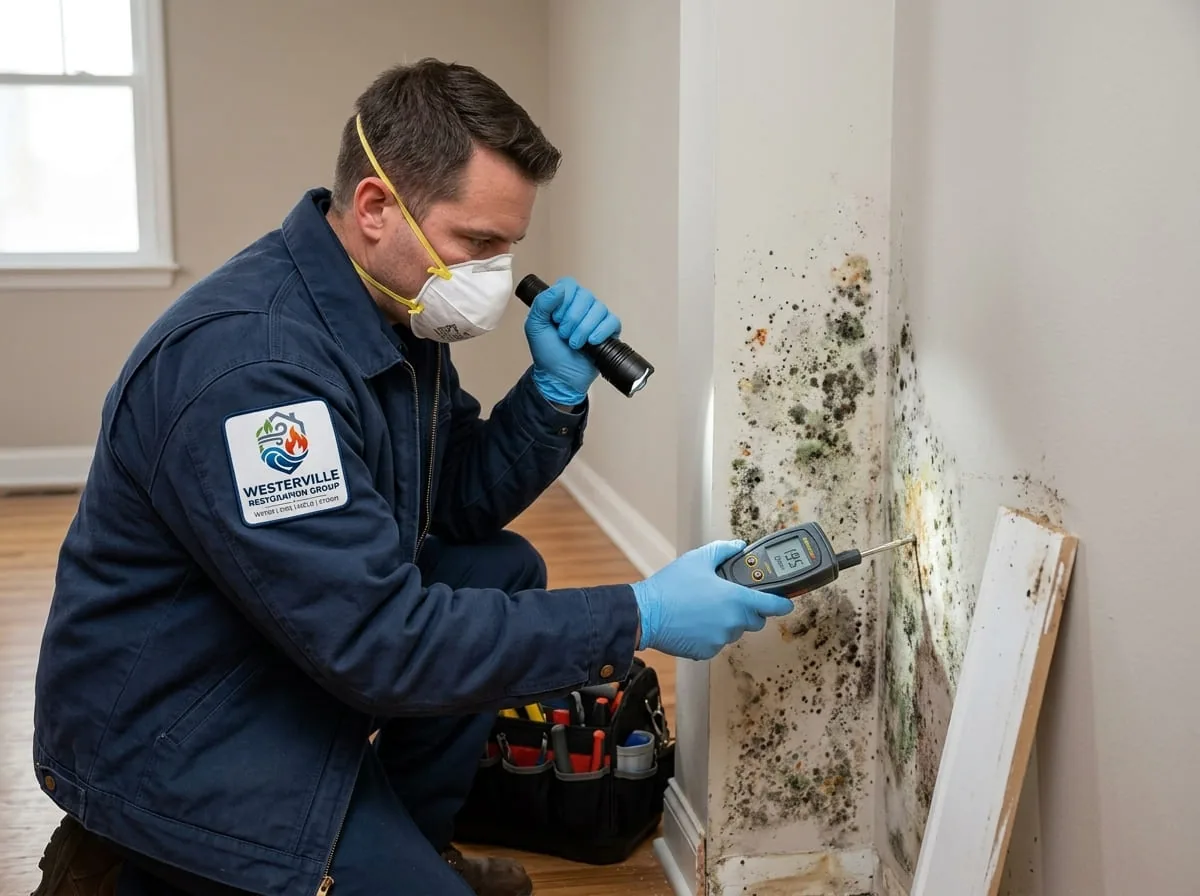
Not every home mold problem starts with a flood. Everyday humidity, a poorly ventilated bathroom, condensation on a cold window, or a slow leak behind a fixture can all lead to mold in a house that's never had an obvious water loss. This page covers the residential side of mold remediation — the day-to-day situations that show up in Westerville, Gahanna, and the surrounding Franklin and Delaware County suburbs.
Because most local homes are built over basements rather than slabs, and because Central Ohio's summers run warm and humid, mold in a residential setting tends to concentrate in a handful of predictable spots — though it isn't limited to them.
Common Places Mold Shows Up in Westerville Homes
A few areas account for most residential calls in this market.
- Bathrooms and kitchens with limited ventilation or exhaust fans that aren't used consistently
- Attics with poor ventilation or ice-damming issues that develop in Ohio's freeze-thaw winters
- Basements, which are the standard foundation type across this market
- Around windows and exterior walls with thin or aging insulation
- Closets and storage areas built against exterior walls in older homes near Uptown Westerville
What to Expect From Residential Mold Remediation
A typical job starts with an inspection and moisture reading to confirm the source, followed by containment of the affected room so the rest of the home isn't exposed to disturbed spores during removal. Materials that absorbed moisture and can't be cleaned — often drywall, insulation, or carpet padding — are removed, while salvageable surfaces are cleaned, treated, and dried with commercial equipment.
Because this work happens inside an occupied home, communication about which rooms are affected, how long containment will be up, and what to expect day to day is a normal part of a residential job, even though timelines vary enough by scope that no two jobs run on exactly the same schedule.
Frequently Asked Questions
Can I clean small mold spots on bathroom tile or grout myself?
Yes — minor mold on a hard, non-porous surface like tile or grout can often be addressed with a standard household cleaner and some ventilation. If it keeps coming back or shows up on drywall, wood trim, or fabric, that's a sign to have it looked at professionally rather than keep re-cleaning the same spot.
What causes mold in a home that's never had an obvious flood?
Ordinary humidity, condensation, and poor ventilation are enough on their own in Central Ohio's humid summer climate — a bathroom without adequate exhaust, a window that condenses regularly, or a basement that runs damp without ever actually flooding can all support mold growth over time.
How do I know if attic mold needs a professional?
Attic mold is usually tied to ventilation issues or a roof leak, and because attics have limited access, insulation to work around, and the potential for growth to spread across a wide area of sheathing, a professional inspection is a safer and more reliable starting point than trying to assess or clean it yourself.
Will homeowners insurance pay for residential mold remediation?
It depends on the cause and the specific policy — mold linked to a sudden, covered event is generally treated differently than mold tied to ongoing neglect or an unresolved leak. Documenting what you're seeing and talking with your adjuster is the most reliable next step.
Related services
Nearby service areas
Dealing With Mold Somewhere in Your Home?
Describe what room it's in and get matched with a residential mold remediation specialist.
Need Help Now? Call (614) 665-8102