Residential Water Damage Restoration in Westerville, OH
From a century-old home near Uptown Westerville to a newer build in Orange Township, residential water damage response is built around the property type, not a one-size approach.
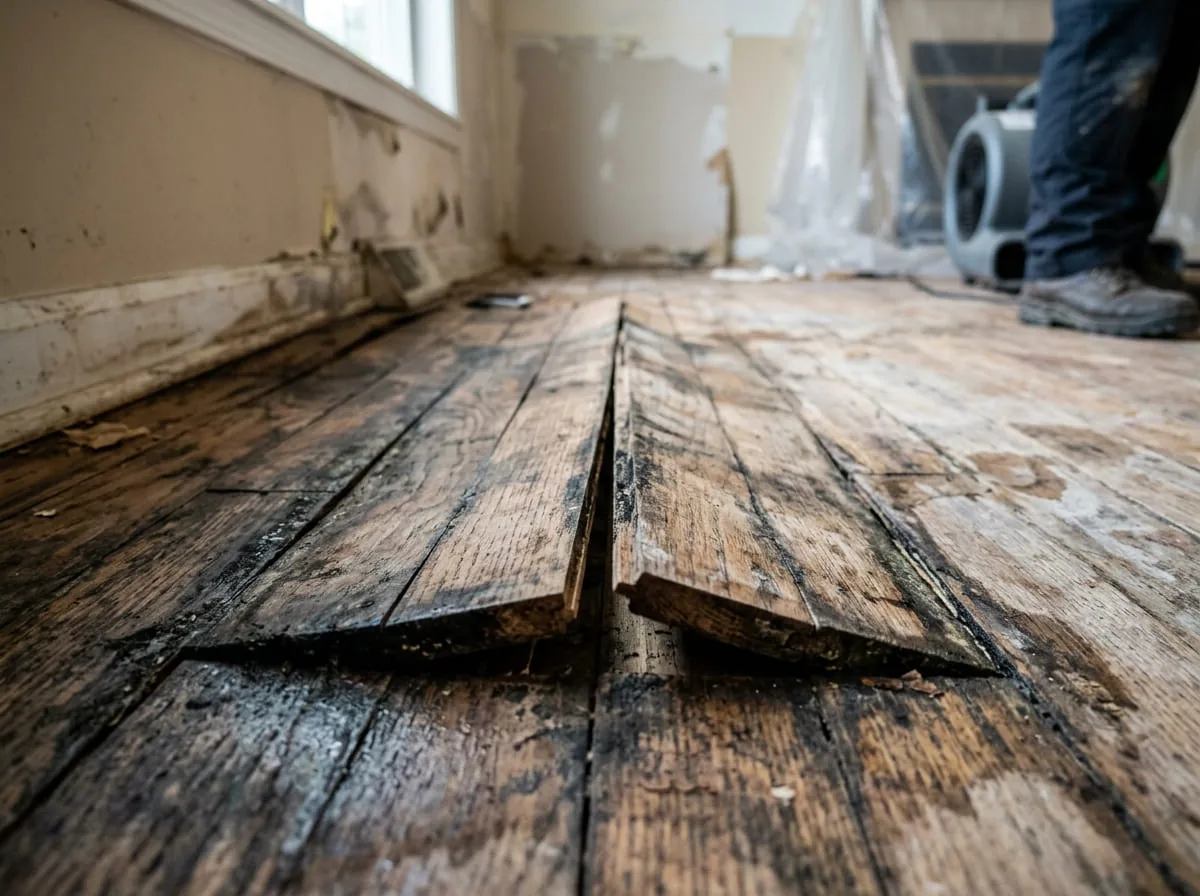
Westerville's housing stock spans a genuinely wide range, from older homes near Uptown Westerville and State Street that may still carry original supply lines, to large volumes of newer subdivisions built from the 1990s through today across Genoa, Blendon, and Orange Townships. Residential water damage restoration accounts for that range, since an aging galvanized pipe fails differently than a modern PEX line, and a basement finished in the 1970s dries differently than one finished last year.
This page covers water damage response for single-family homes, condos, and rental properties across the Westerville area, whatever the source of the water.
Common Residential Water Damage Scenarios
Homeowners in this market call about a fairly consistent set of issues, shaped by the region's basement-heavy construction and its freeze-thaw winters.
- Sump pump failure flooding a finished or unfinished basement
- Frozen or burst supply lines during winter cold snaps
- Water heater, washing machine, or dishwasher failures
- Roof or window leaks during heavy rain
- Slow leaks behind walls that surface as ceiling or wall staining
What a Residential Restoration Visit Involves
A typical visit starts with identifying the water source and category, followed by extraction of any standing water. From there, the crew maps moisture through affected walls, flooring, and framing, and places drying equipment based on what they find, not just what's visible on the surface.
Throughout the process, photos and moisture readings are documented, which matters for homeowners planning to file an insurance claim. Once the structure reaches a safe moisture level, the crew can also flag any repairs, such as damaged drywall or flooring, that will need to be addressed separately.
Older Homes and Newer Homes Need Different Attention
Homes built before the 1990s in and around Uptown Westerville are more likely to have original or aging plumbing, which changes both the likelihood of a failure and how a crew approaches drying plaster or older drywall. Newer construction across Orange Township and New Albany typically uses copper or PEX supply lines with different failure patterns, but carries the same basement and appliance-related risk as older homes, since foundation type and appliance failures don't discriminate by construction decade.
Frequently Asked Questions
Do older homes take longer to dry after a water loss?
Sometimes. Plaster walls and original subfloor materials common in older homes can behave differently under drying equipment than modern drywall and engineered flooring, so a restoration crew may adjust their approach and monitoring schedule for an older property.
What's the difference between residential and commercial water damage response?
The core process, extraction, drying, and documentation, is similar, but residential jobs typically involve fewer square feet, different scheduling considerations for a family living in the home, and a stronger focus on personal belongings and finished living space compared to commercial properties.
Can I stay in my home during water damage restoration?
In most residential cases, yes, especially if only part of the home is affected. Larger losses involving multiple rooms or significant structural drying may require temporarily avoiding certain areas while equipment runs, which the crew on-site can walk you through.
Related services
Nearby service areas
Water Damage Somewhere in the House?
A restoration crew can assess the whole property, not just the room where the damage is obvious.
Call Now for Water Damage Help