Smoke Damage Cleanup
Smoke rarely stays where the fire started. Get connected with cleanup professionals who assess and treat every room it reached, not just the room that burned.
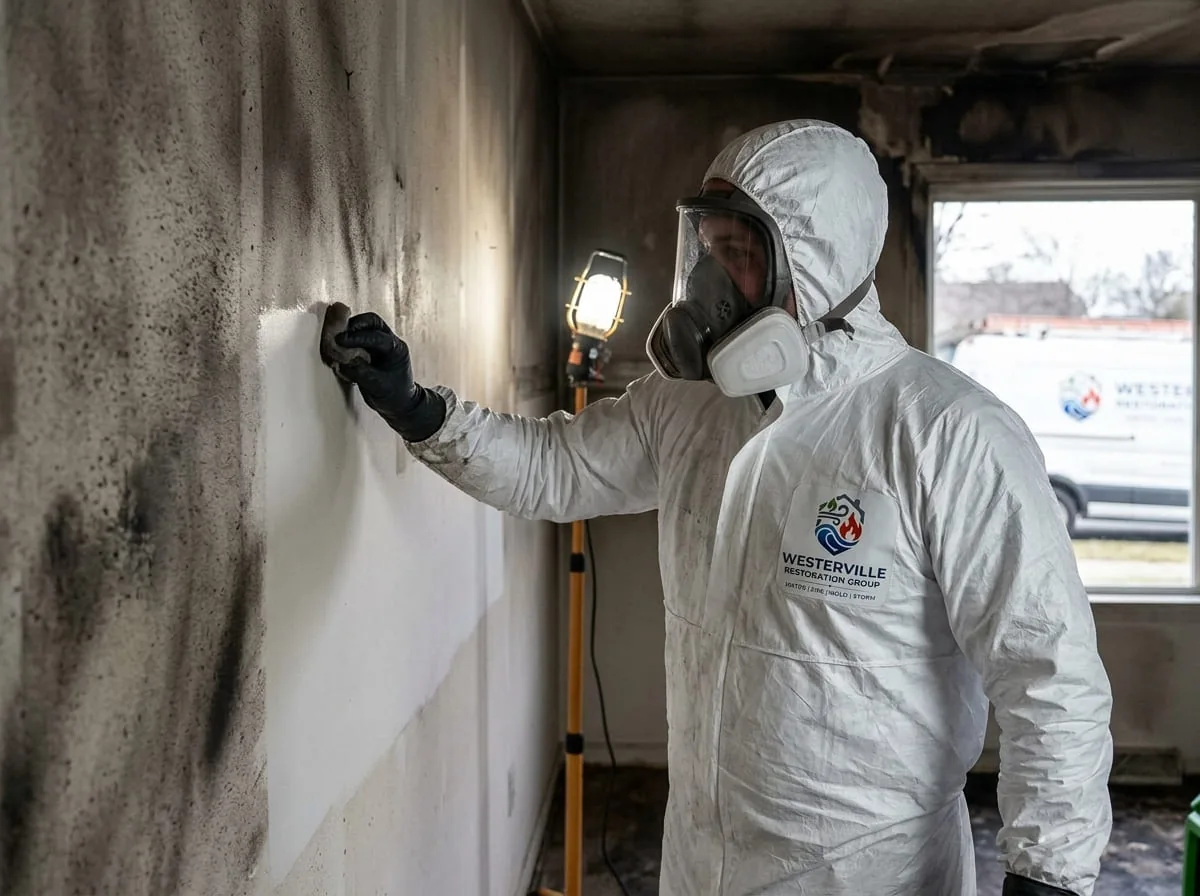
A fire contained to a single room can still send smoke through the entire house within minutes, riding air currents and HVAC ductwork into bedrooms, closets and basements that never saw a flame. Smoke damage cleanup deals with that wider footprint.
Requests from Westerville, Gahanna, Genoa Township and nearby Franklin and Delaware County communities are routed to professionals who assess smoke penetration room by room before deciding what can be cleaned in place and what needs a deeper approach.
How Smoke Moves Through a House
Hot smoke rises and spreads along ceilings before cooling and settling, which is why upper walls, ceiling corners and closet interiors often carry more residue than a quick glance would suggest. A running HVAC system can carry that same residue into rooms on the far side of the house.
Smoke behaves differently depending on what burned — synthetic materials tend to leave a thicker, oilier residue than natural materials like wood or paper, which affects the cleaning approach a professional will choose for a given surface.
Why DIY Cleaning Often Makes It Worse
Wiping smoke residue with an ordinary household cleaner or a dry rag can grind soot particles deeper into fabric, drywall and porous surfaces instead of lifting them out, turning a treatable stain into a permanent one.
Professional smoke cleanup uses techniques matched to the surface and the type of residue — different methods for hard surfaces, textiles, electronics and HVAC components — rather than one general-purpose product applied everywhere.
Frequently Asked Questions
Why does a room that wasn't near the fire still smell like smoke?
Smoke and its odor travel through air currents and ductwork well beyond the room where the fire started, settling into carpet, drywall and fabric in rooms that show no visible fire damage at all.
Can I just wipe down the walls myself?
It's not recommended without guidance, since ordinary cleaning products and rags can spread soot deeper into porous materials rather than removing it, and some fire residues contain contaminants that shouldn't be handled without protective equipment.
How do I know if my HVAC system needs to be cleaned too?
If the system was running during or shortly after the fire, it's reasonable to assume smoke residue reached the ductwork. A professional can inspect and, if needed, clean the system before it's used again to avoid recirculating odor and soot.
Does smoke damage cleanup happen before or after repairs start?
Cleanup generally comes first. Removing smoke residue from walls, ceilings and remaining surfaces before painting or patching keeps residue from bleeding back through fresh finishes, which is a common problem when repairs are rushed ahead of a thorough cleaning pass.
Smoke Reached Further Than You Think
Get connected with a professional who can assess every room the smoke touched, not just the one that burned.
Request Fire Damage Service