
Soot Removal
Soot keeps damaging surfaces long after the fire is out. Get connected with professionals who remove it before it does permanent harm.
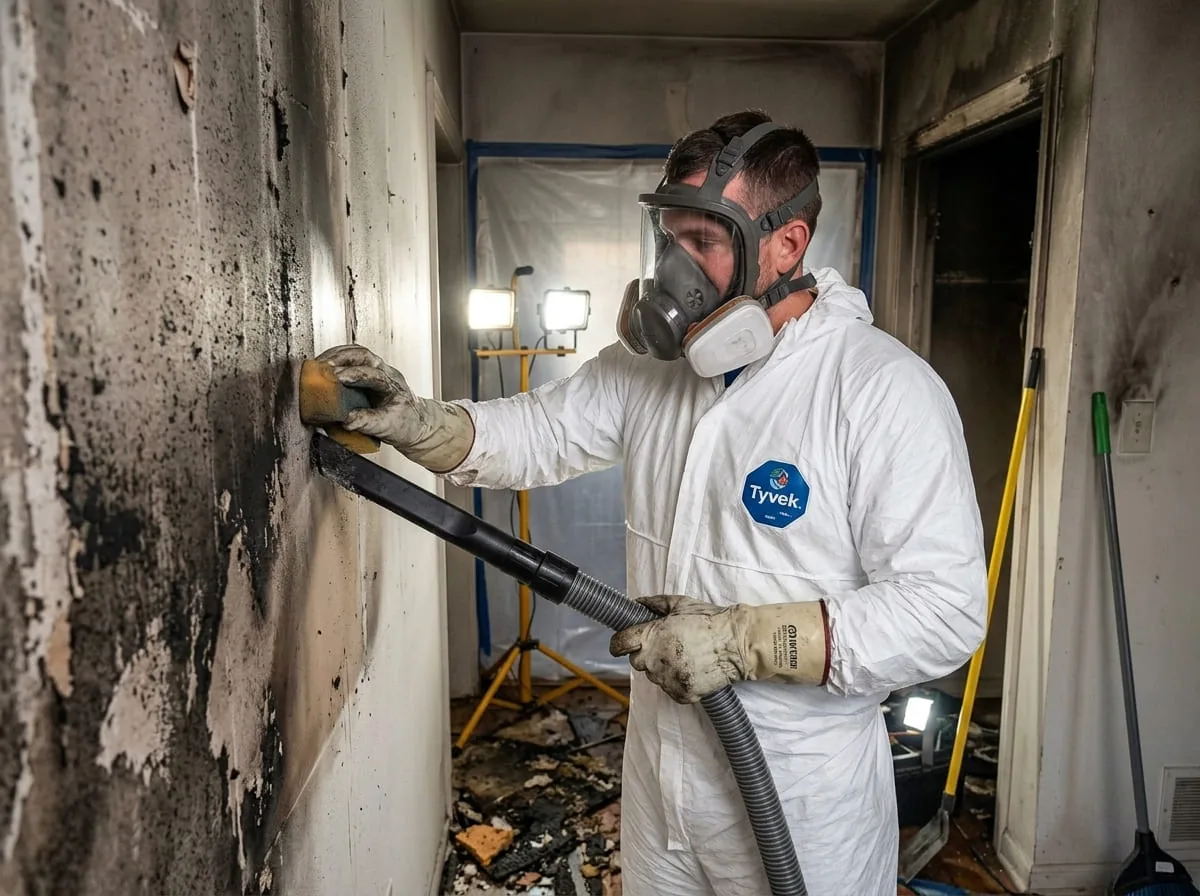
Soot is more than a cosmetic problem. It's acidic residue that continues to react with metal, plastic, grout and painted surfaces for as long as it's left in place, which means the delay between a fire and cleanup can matter as much as the fire itself.
Calls from Westerville, Worthington, New Albany and surrounding Franklin and Delaware County communities are routed to professionals equipped to identify the type of soot involved and remove it with the right method for each surface.
Not All Soot Is the Same
Dry soot, typically from fast-burning materials like paper and wood, tends to sit on the surface and can often be removed with dry-cleaning sponges and controlled vacuuming. Wet or oily soot, common from burning plastics, synthetics or protein-based materials, bonds more aggressively to surfaces and usually needs solvent-based cleaning agents.
Metal fixtures, appliances and hardware are especially vulnerable — soot's acidity can etch and permanently discolor metal within hours if it isn't addressed, which is one reason a quick professional assessment matters even for a small, contained fire.
- Dry soot from fast-burning materials like paper and wood
- Wet, oily soot from plastics, synthetics and protein-based materials
- Protein residue from kitchen fires, which can be nearly invisible but strong-smelling
- Fuel-oil soot from furnace malfunctions, which tends to be especially difficult to remove
Why Household Cleaners Usually Aren't the Answer
Scrubbing soot with an all-purpose household cleaner or a wet rag often smears the residue deeper into porous surfaces like drywall, grout and unsealed wood instead of lifting it away, turning a treatable stain into a permanent discoloration.
Professional soot removal matches the cleaning method — dry sponging, chemical sponges, solvent cleaning or abrasive techniques — to both the surface material and the type of soot involved, which is difficult to judge correctly without experience handling fire residue.
Frequently Asked Questions
Is it safe to clean soot off myself with household products?
It's not recommended. Household cleaners can smear soot deeper into porous materials, and soot from certain fires — particularly ones involving plastics, electronics or unknown household chemicals — can contain contaminants that shouldn't be handled without proper protective equipment.
Why does soot damage metal so quickly?
Soot is acidic, and that acidity reacts with metal surfaces on contact. Left untreated, it can etch and permanently discolor faucets, appliances, hardware and other metal fixtures within just a few hours of a fire being extinguished.
Does soot removal happen before or after water extraction?
It depends on the loss. When firefighting water is also present, extraction and drying are often prioritized alongside or before deep soot cleaning, since standing moisture creates its own timeline. A professional assessment determines the right sequence for a given property.
Soot Damage Doesn't Wait — Neither Should Cleanup
The longer acidic soot residue sits, the more surfaces it can permanently damage.
Get Emergency Fire Cleanup